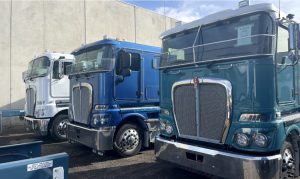
Moving an unregistered truck sounds like it should be simple. It isn’t. The moment a vehicle has no plates and no compliance certificate behind it, most transport options disappear. You can’t legally drive it on public roads under normal conditions and putting it on the back of another truck for every short hop adds cost and time you don’t need. This is exactly the gap that trade-plate drive-away services were built to close.
Why Unregistered Vehicles Need a Different Kind of Delivery
An unregistered commercial vehicle typically falls into one of a few categories: a new truck fresh off the wharf, a used truck moving between dealers or a fleet vehicle being repositioned before it goes into service. None of these vehicles are ready for the road in the conventional sense, yet they still need to physically get from A to B, often across state lines. Trade plates exist precisely for this situation. They allow an otherwise unregistered, unladen commercial vehicle to be legally driven on public roads for a defined set of purposes delivery, relocation and demonstration provided no load is carried. That last condition matters. A trade-plate drive-away service is not a freight operation. It exists purely to reposition the vehicle itself, nothing more.What a Proper Drive-Away Service Looks Like
A trade plate delivery isn’t just a driver borrowing a set of plates. It should come with the same rigour you’d expect from any commercial transport arrangement:- Licensed, insured drivers covered by public liability and workers compensation, so the vehicle and the process are protected end-to-end.
- Compliance with NVHR and FWO standards, since heavy vehicle movement is regulated regardless of whether the truck is registered.
- Vehicle condition checks and damage reporting, giving both sender and receiver a clear record of the truck’s state before and after the move.
- Real-time tracking, so a dealership, manufacturer or fleet manager always knows where an unregistered vehicle actually is.